
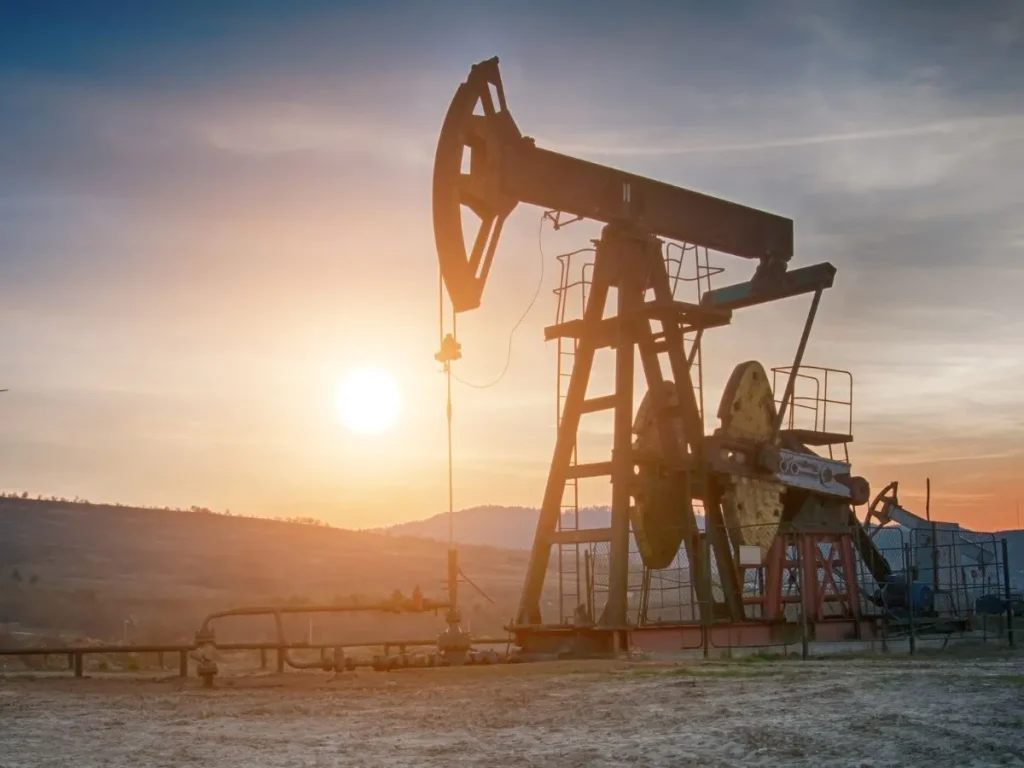
The United States (US) oil supply is a frequent topic of discussion within the US, because of increasing concerns about dependence on oil as a source of fuel. According to the US Department of Energy, 40% of America's energy needs are met through petroleum products. Many citizens are worried about the impacts of oil on the environment, and would like to see the country moving towards more sustainable sources of oil. In addition, there is a great deal of controversy over the sources for American oil, and the political maneuvering which is necessary in order to meet American demands for oil.
Approximately 40% of America's oil comes from domestic oil fields in states like Texas, Alaska, and California. Some of this oil is actually sold to other countries, such as Japan. The other 60% of the US oil supply is from foreign sources. Contrary to popular belief, however, the US has very diverse oil interests all over the world, and receives oil and petroleum products from almost every continent on Earth. This diversity within the oil supply allows allows for the manufacture of a wide range of petroleum products, using crude oil of various chemical makeups.
Canada, Saudi Arabia, Colombia, Nigeria, Angola, and Iraq all contribute sizable amounts to the US oil supply. America also imports oil from Kuwait, Norway, the United Kingdom, Venezuela, Equatorial Guinea, and Algeria. Numerous other countries ship refined oil products to the United States to supplement the output of American refineries. The diversity of the oil supply makes it difficult to cut off the country's supply of oil altogether, although wrinkles in the supply chain could be problematic.
Much of the US oil supply comes from member nations of the Organization of the Petroleum Exporting Countries (OPEC). OPEC member nations are supposed to work together to ensure stable oil prices while safeguarding oil reserves and ensuring that countries around the world have access to oil when they need it. The US oil supply is not, however, restricted to OPEC sources, and the country regularly imports oil from countries which are not member nations, such as Canada, at varying prices.
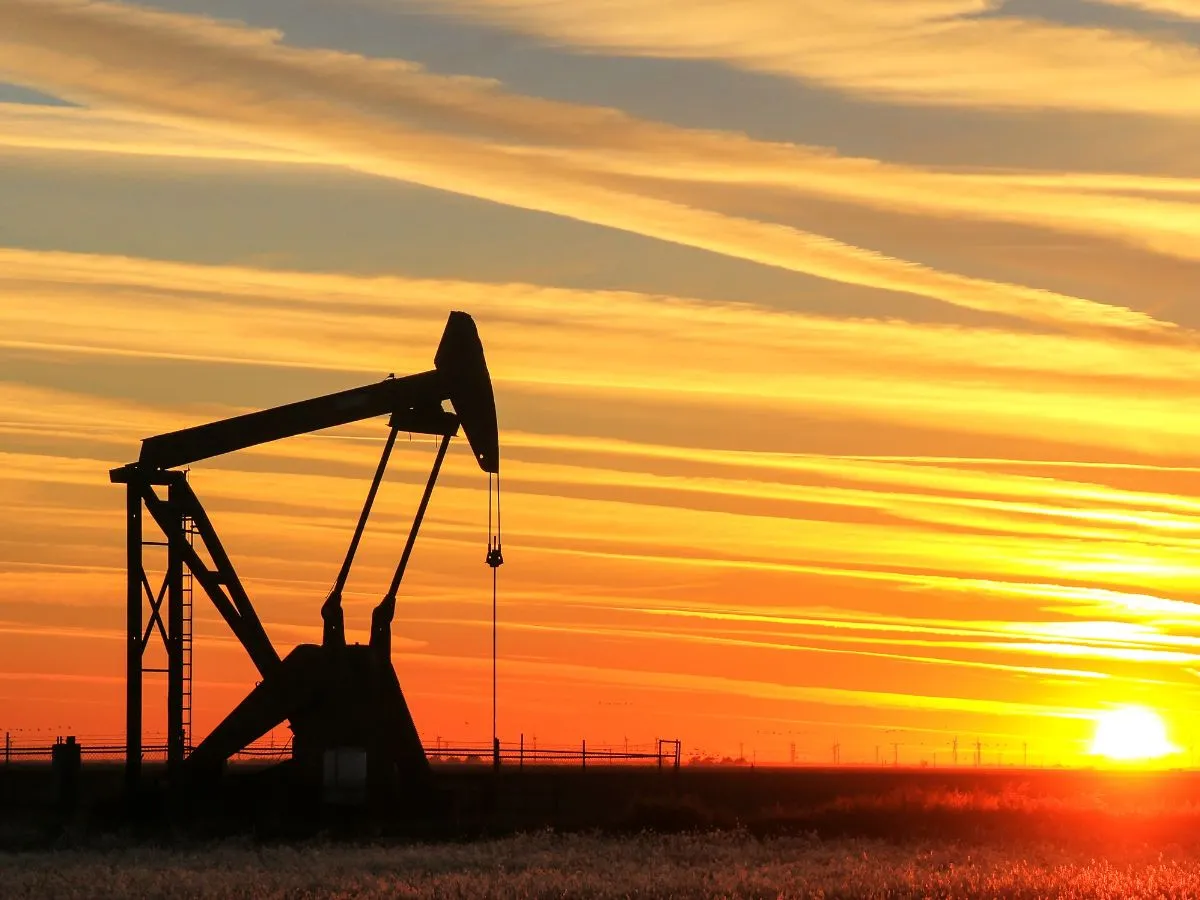
While the sources for American oil are myriad, many of the countries which contribute the bulk of the US oil supply are economically and politically unstable. This has led to concerns about the security of the US oil supply, since a major political disturbance could be devastating. For this reason, the US also maintains an oil reserve for emergency situations, and is devoting funding to the development of energy alternatives.
America Explained is dedicated to providing accurate and trustworthy information. We carefully select reputable sources and employ a rigorous fact-checking process to maintain the highest standards. To learn more about our commitment to accuracy, read our editorial process.

Ever since she began contributing to the site several years ago, Mary has embraced the exciting challenge of being a America Explained researcher and writer. Mary has a liberal arts degree from Goddard College and spends her free time reading, cooking, and exploring the great outdoors.